

Currently Empty: 0.00 ر.ق

0 Comments
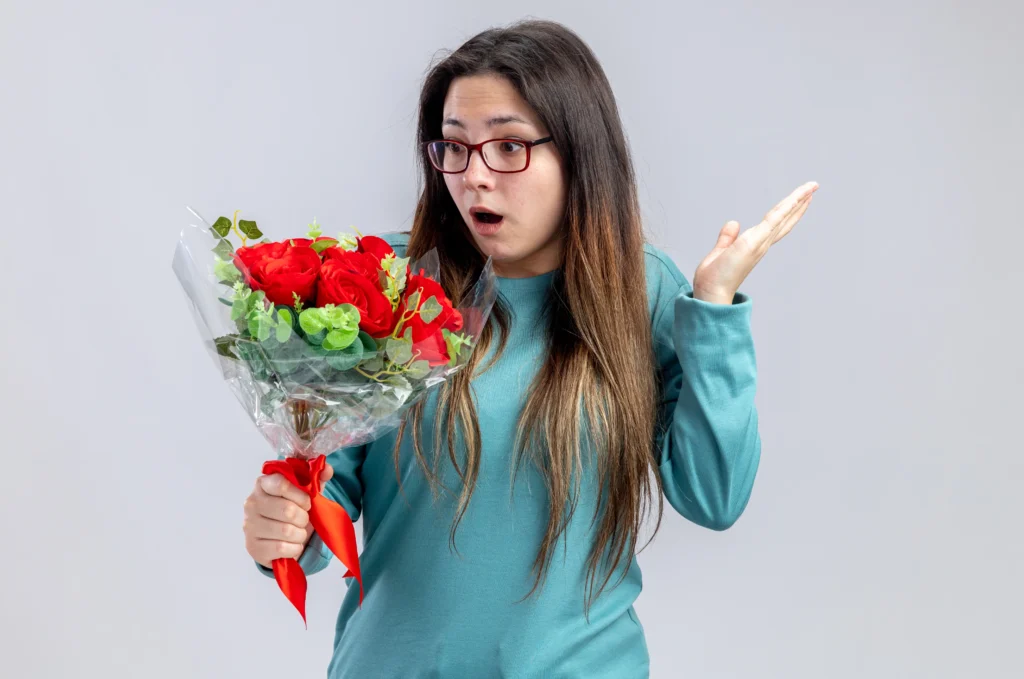
Table of Contents
Introduction – Understanding the Price Behind the Product
Everyone has experienced that moment when they look at a product and wonder, “Why is this so expensive?” Whether it’s a bouquet of flowers, a luxury cake, a piece of clothing, or a beautifully crafted gift, higher prices naturally create curiosity. We compare them with cheaper alternatives and wonder what makes one item cost more than another. But behind every expensive product, there is a long story of effort, care, and hidden value that most people never see.
Many products that appear simple on the outside go through a detailed process before reaching us. From the materials used to the workmanship involved, from the time invested to transportation and storage — everything adds up. What we see on the shelf or website is only the final result. The real work happens behind the scenes.
Understanding this background helps us appreciate the true worth of a product. Instead of seeing it as “too costly,” we begin to view it as something carefully made, thoughtfully prepared, and delivered with intention. This blog explores the real reasons why certain products come with a higher price tag, and how each element contributes to their value.
The Value of High-Quality Materials
One of the biggest factors behind higher prices is the quality of materials used. Not all ingredients, fabrics, flowers, or raw materials are the same. Premium-quality materials cost significantly more because they are selected with greater care and sourced from trusted suppliers.
For example, a bouquet made with fresh, long-lasting flowers imported from different countries will naturally cost more than one made with cheaper, local options. The same applies to cakes prepared with premium chocolates, fresh cream, or organic ingredients. High-quality materials don’t just improve appearance — they enhance taste, feel, durability, and the overall experience.
Even in clothing, fabric woven from high-grade cotton, silk, or lace stays comfortable and lasts longer than low-cost alternatives. Good materials age better, handle wear better, and look refined even after repeated use.
The higher the quality of materials used, the higher the base cost for the maker. This naturally reflects in the final price. When something is expensive, it often means it is built to offer better performance, a longer lifespan, and a superior experience.
The Skill and Time Behind the Craft
Many products that appear simple are actually the result of hours of skilled work. Craftsmanship doesn’t happen overnight. Whether it’s a florist arranging a bouquet, a baker decorating a cake, or a tailor stitching a garment, each brings years of experience to their craft.
A bouquet requires more than just placing flowers together. Florists select each stem carefully, trim them, shape the arrangement, balance colors, ensure freshness, and pack it beautifully. A high-quality bouquet may take 30–45 minutes to prepare — excluding the time spent sourcing flowers.
Similarly, a premium cake involves precise measurements, careful baking, cooling layers, applying frosting with patience, adding decorations, and ensuring the final look is visually perfect. Bakers work early mornings or late nights, especially during busy seasons.
Skilled work cannot be rushed. When someone has spent years perfecting their craft, the product they create carries the value of their time, training, and passion. The price reflects the effort invested in making something beautiful, reliable, and memorable.
What Happens Behind the Scenes
Customers usually see only the final product, but the behind-the-scenes work truly defines the cost. Before a product reaches the customer, several steps take place — sourcing, quality checks, storage, preparation, and sometimes multiple rounds of trial and error.
Flowers need temperature control during shipping, proper refrigeration, and delicate handling to maintain freshness. Florists regularly remove wilted pieces, clean stems, and rehydrate flowers to ensure perfection.
For bakeries, high-quality ingredients must be stored safely, equipment needs regular maintenance, staff requires training, and hygiene must be maintained at all times. Even simple items like cake boxes, ribbons, bouquet wrappers, and delivery materials add to the overall cost.
When you buy a premium product, you’re not paying only for what you see. You’re paying for hours of preparation, hidden costs of storage and transportation, and the care taken to ensure quality and freshness.
The Influence of Branding, Experience, and Customer Trust
Another reason some products are more expensive is the trust a brand has built over time. A brand becomes reputable after consistently delivering good results. Customers choose branded shops because they expect freshness, quality, cleanliness, accuracy, and timely service.
Running a reliable brand requires investment in trained staff, quality checks, better packaging, customer support, and ongoing improvements. Brands also invest time in building a unique style and maintaining consistent standards.
When you buy from a trusted brand, you aren’t just purchasing a product — you’re buying peace of mind. You know the item will be exactly as promised. That assurance is part of the price.
This is why two similar products may have very different prices. One comes with a trusted experience; the other does not. Experience, consistency, and brand reliability all contribute to higher pricing because maintaining them requires effort, investment, and commitment.
Conclusion – Understanding the Real Worth
Expensive products often carry more value than what is visible at first glance. When you look beyond the price tag, you’ll find a deeper story — one made of quality materials, skilled craftsmanship, careful handling, and the dedication of the people behind it. Every step, from sourcing to preparation, adds value. Higher prices are not simply the seller’s choice, but the true reflection of real costs and genuine effort.
Recognizing this helps us appreciate the beauty, quality, and intention behind a premium product. Whether it’s a flower bouquet, a handmade cake, a finely stitched dress, or any other carefully crafted item, the price reflects the journey it has taken before reaching your hands. Expensive products are not just items — they are expressions of passion, patience, and purpose.
When we understand this, we no longer see them as “too costly,” but as creations of genuine value.